
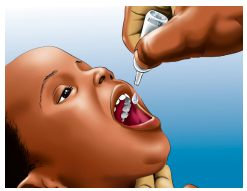
Two years ago, Nigeria made headlines when it stepped up its commitment to children’s health through a focus on routine immunization. According to THISDAYLIVE, this strategic approach is led by the Ministry of Health and Social Welfare under the leadership of Minister Mohammed Pate.
Immunisation serves as a crucial shield against dangerous infections that can lead to unnecessary deaths among children. The World Health Organization (WHO) reports that immunization prevents an estimated 2-3 million deaths each year, making it one of the most effective ways to save lives and improve public health.
This emphasis on routine immunization is particularly significant in Nigeria, a country with a high burden of vaccine-preventable diseases. According to UNICEF, nearly half (45%) of children under five in Nigeria were not fully vaccinated in 2019, posing a serious risk to their health and wellbeing.
Minister Pate has taken proactive steps to address this issue, launching initiatives such as the ‘Zero Dose’ campaign. The goal of this campaign is to reach children who have missed out on their first vaccine dose and ensure they are vaccinated according to schedule. This strategy could help significantly reduce the number of unvaccinated children in Nigeria.
Immunization not only protects individuals but also contributes to herd immunity, a concept where a high proportion of a population becomes immune to a disease, thereby preventing its spread. Herd immunity is essential for ensuring that even those who cannot be vaccinated due to medical reasons are protected from infectious diseases.
Investing in routine immunization is not only an act of compassion but also an investment in the future of Nigeria’s children and the nation as a whole. As the Minister of Health and Social Welfare continues his work, it is crucial for Nigerians to understand the importance of immunization and its role in promoting a healthy and prosperous nation.

 By
By