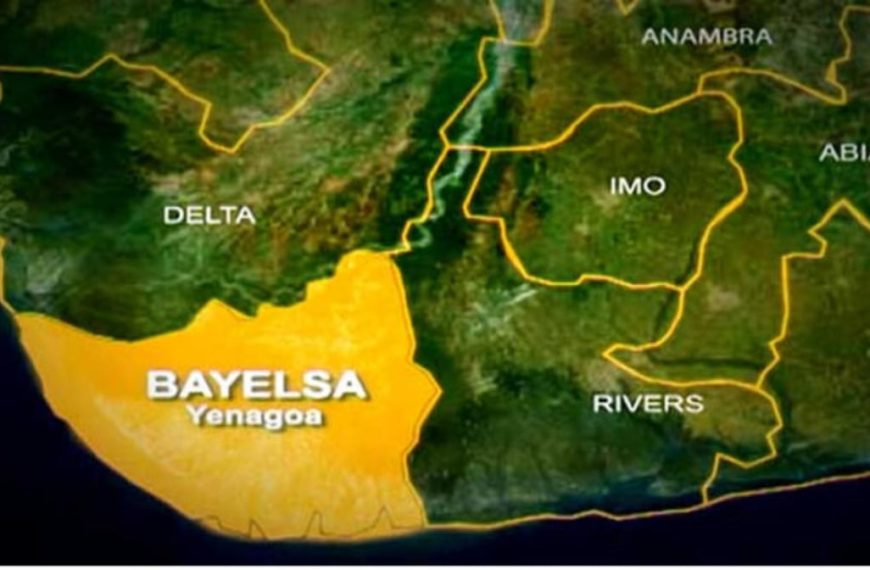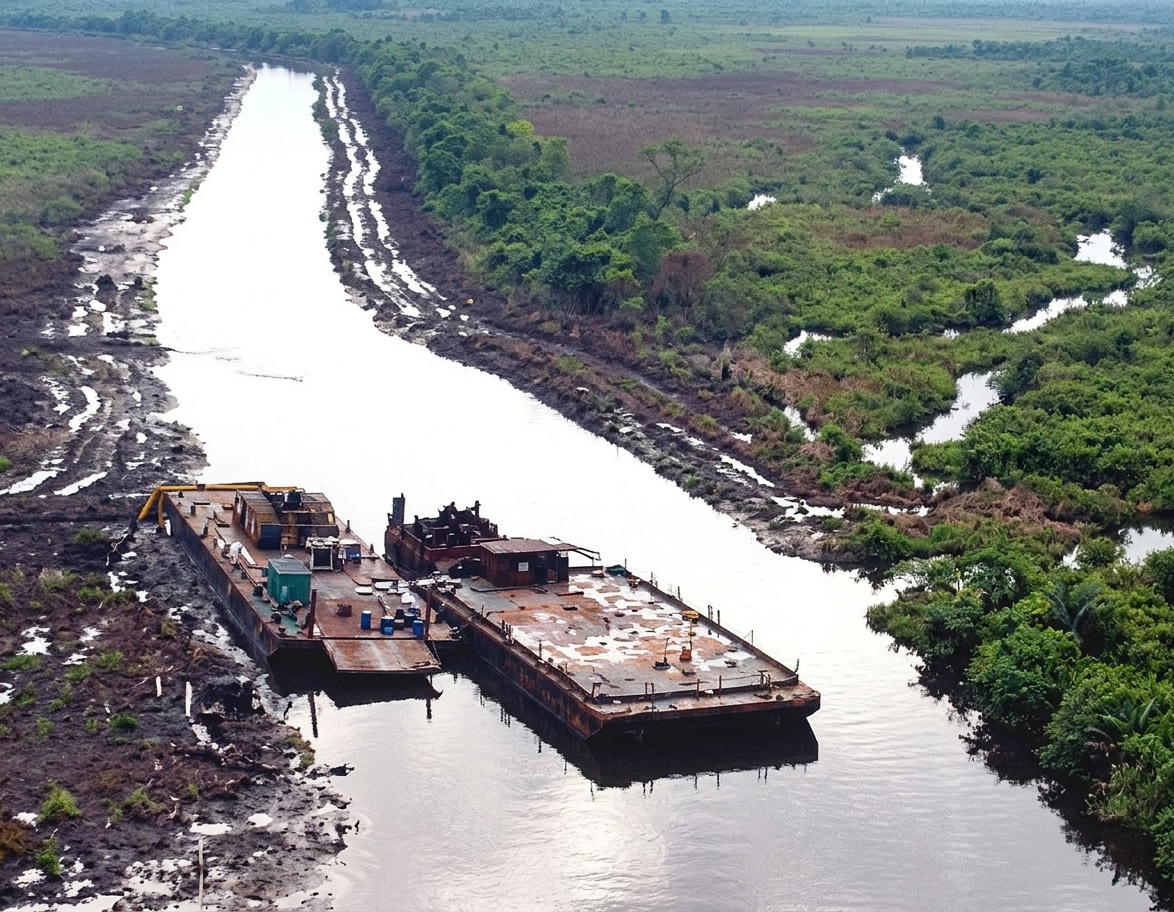
In a stark reminder of the devastating impact of oil spills on the environment and communities, a 7-month-long oil spill from the Trans-Forcados Pipeline at Kantu-Odidi, in Delta State, has left the water in the area black, thick, and dead, according to Vanguard News. The spill, which began operation in March 2026, has affected no less than 216 communities, according to local reports. The report by Vanguard News states that the water struggles to flow, and its once-clear surface now holds a thick, black, and lifeless substance. The oil spill is not the only environmental disaster the region has faced recently. The Niger Delta, rich in oil reserves, has long been plagued by oil spills, gas flaring, and other environmental hazards. This has led to significant loss of biodiversity, destruction of farmlands, and health issues for local communities. The latest spill adds to the woes of these communities, who have been left to bear the brunt of these environmental disasters. While the Nigerian National Petroleum Corporation (NNPC) has not said when the facility began operating, it has promised to clean up the spill and restore the affected communities. This is not the first time such a disaster has occurred in the region. In 2016, an oil spill in the same area led to the death of fish and other marine life, causing significant economic losses for the affected communities. As the country prepares for the 2027 general elections, environmental concerns have become a hot topic, with many calling for stricter regulations and penalties for companies responsible for such disasters. The latest oil spill in Delta State serves as a grim reminder of the need for such regulations and the urgent need to protect the environment and the communities that depend on it.


 By