In a bid to curb illegal mining activities across Africa, authorities have been cracking down on miners, a move that, contrary to expectations, has exacerbated the problem. This analysis delves into the criminalisation trap that Africa’s responses to artisanal mining have inadvertently created, according to Premium Times Nigeria.
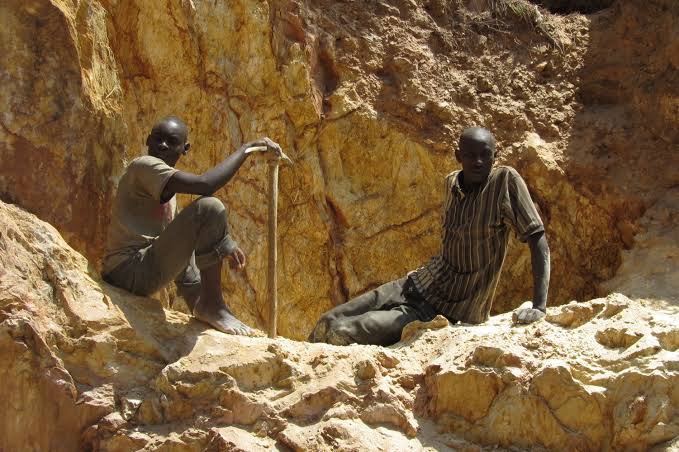
The harsh measures implemented by various governments to stamp out illegal mining have primarily targeted the small-scale miners who are struggling to eke out a living, rather than the powerful players behind the illicit operations. This heavy-handed approach has only served to fuel crime and conflict within the sector, leaving many miners with no other choice but to resort to illegal means.
According to Premium Times Nigeria, the criminalisation of artisanal mining has been particularly prevalent in countries like Nigeria, Zimbabwe, and the Democratic Republic of Congo. In these nations, the crackdowns have led to increased violence, human rights abuses, and environmental degradation.
The report further highlights that these harsh measures have failed to address the root causes of illegal mining, such as poverty, lack of access to formal mining opportunities, and corruption. By criminalising the miners, authorities have inadvertently created a self-perpetuating cycle of crime, violence, and exploitation that benefits only the most powerful players in the sector.
This analysis serves as a stark reminder of the need for a more nuanced and empathetic approach to artisanal mining in Africa. Instead of criminalising the miners, authorities must address the underlying issues that drive them to illegally mine in the first place. This could involve providing access to formal mining opportunities, offering support to help miners transition to legal operations, and addressing the systemic corruption that allows powerful players to thrive unchecked.

 By