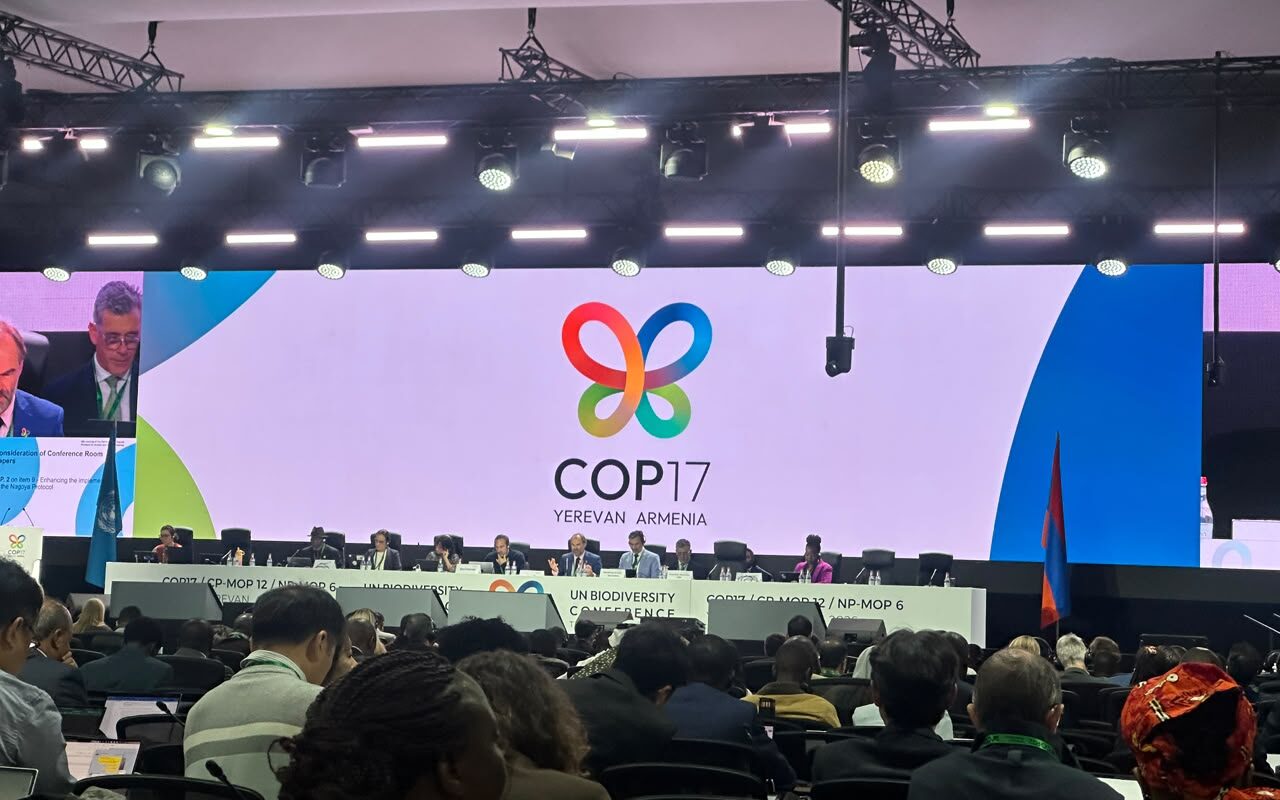
At the 17th Conference of the Parties (COP17) to the Convention on Biological Diversity (CBD) in Montreux, Switzerland, indigenous groups and civil society organizations have called on the United Nations to halt the use of wildlife and their habitats in carbon and biodiversity credit schemes. The groups argue that such practices could accelerate biodiversity loss and enable polluting industries to continue damaging the environment. According to Premium Times Nigeria, the groups fear that these schemes could lead to the commercialization and exploitation of sacred animals and their habitats, threatening the cultural, spiritual, and environmental wellbeing of indigenous communities. The call comes as the COP17 is discussing the role of markets in conserving biodiversity and reducing greenhouse gas emissions. The UN has not yet responded to the call, but the debate around the use of wildlife in carbon and biodiversity credits is expected to continue during the conference.
The United Nations has been criticized in the past for its role in promoting market-based solutions to environmental problems, with critics arguing that these schemes often prioritize profit over conservation and social justice. The use of wildlife in carbon and biodiversity credits has been a contentious issue, with some arguing that it could provide a financial incentive for conservation while others warn that it could lead to the exploitation of vulnerable species and ecosystems. The call from indigenous groups and civil society organizations at CBD COP17 highlights the need for the UN to carefully consider the implications of these schemes and to ensure that they prioritize the rights and wellbeing of indigenous communities and the environment.

 By