
Votes Near, Debts Keep Rising: A Look at Nigeria’s Repayment Obligations
As the general election approaches, controversy surrounds fresh borrowing requests. Festus Akanbi examines the administration's infrastructure defence and the implications for Nigeria's next government.

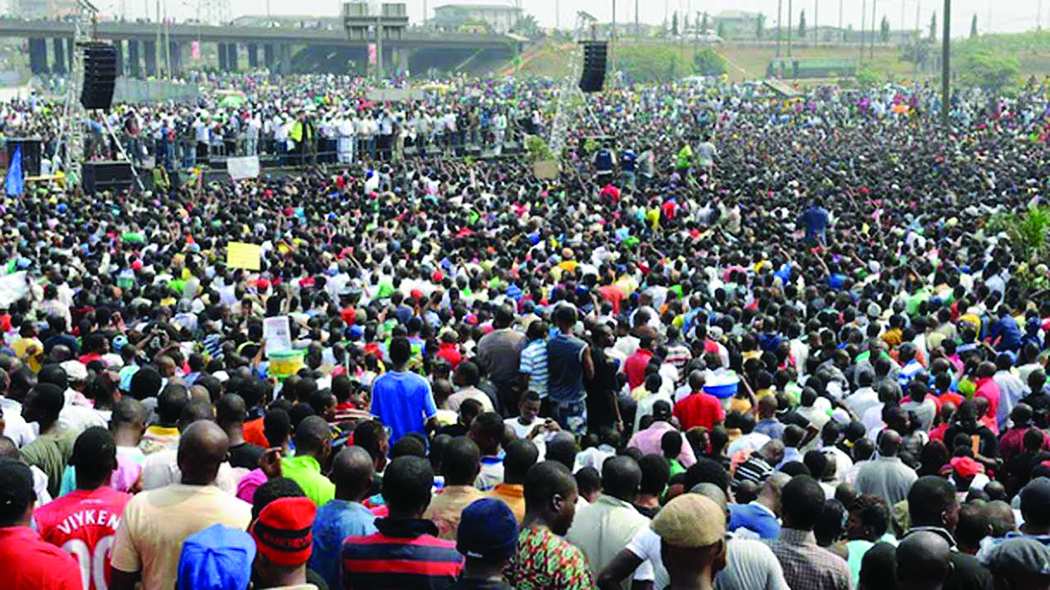
With the general election just around the corner, Nigeria’s growing repayment obligations are causing stirrings of controversy, as fresh borrowing requests come under scrutiny. In a deep dive, THISDAYLIVE’s Festus Akanbi examines the administration’s infrastructure defence and weighs the potential impact on the country’s next government.
According to Akanbi’s report, the administration has justified its borrowing spree by emphasizing the need to finance crucial infrastructure projects that will drive economic growth and development. However, critics argue that the mounting debts may hinder the new government’s ability to deliver on their campaign promises.
As of the time of publishing, it remains uncertain how the upcoming elections will influence the government’s borrowing habits. However, with the debt service-to-revenue ratio already at an all-time high, concerns are mounting about the sustainability of the country’s debt repayment obligations.
Akanbi’s piece provides a timely reminder of the delicate balance between infrastructure development and fiscal responsibility. As Nigerians prepare to head to the polls, understanding the implications of the country’s debt burden will be crucial in making informed voting decisions.

Join the conversation
Join the discussion
No discussion yet for this story.
Start a discussion about this