
Nigeria’s Agriculture and Climate Inaction: Stakeholders Warn of Export Market Losses, Green Finance Risks
Stakeholders, including Abubakar Kyari and Afreximbank, have expressed concerns over Nigeria's agriculture sector, highlighting potential export market losses and risks to green finance due to climate inaction.

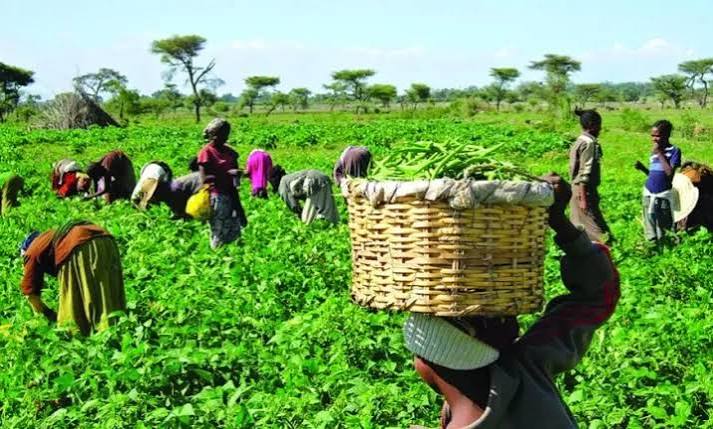
Nigeria’s agricultural sector is under threat due to climate inaction, according to stakeholders, including Abubakar Kyari, the Group Managing Director of the Nigerian National Petroleum Corporation (NNPC), and Afreximbank, an Africa-centric multilateral financial institution. In an exclusive report by THISDAYLIVE, these stakeholders have raised concerns about the potential loss of export markets and the risks to green finance if the country does not address its agricultural challenges promptly.
According to Abubakar Kyari, private investment in mechanisation, local manufacturing, and cold-chain infrastructure is crucial to addressing the challenges facing Nigeria’s agricultural sector. He emphasised the importance of such investments in ensuring food security, reducing post-harvest losses, and promoting sustainable agricultural practices.
Afreximbank, on the other hand, has urged financing of the entire agricultural value chain, cautioning against production without market access. The financial institution highlighted the need for a holistic approach to agricultural financing, emphasising the importance of ensuring that farmers have access to markets for their produce.
Atai Akpan, a sustainability expert, has also weighed in on the issue, emphasising the need for sustainable agricultural practices in Nigeria. He warned that without addressing the challenges facing the agricultural sector, Nigeria risks losing billions in potential green finance and export market opportunities.
These concerns come at a time when Nigeria is facing increasing pressure to address its environmental challenges and promote sustainable development. The country’s agricultural sector is a significant contributor to its greenhouse gas emissions, and efforts to address climate change will require a focus on sustainable agricultural practices.
The implications of these concerns for Nigeria are far-reaching. The country’s agricultural sector is a significant contributor to its economy, and any disruption to the sector could have severe consequences for the country’s food security, economic growth, and development.
editorial_notes: This article relies on a single source, and while the claims made by the stakeholders are significant, their specific plans and strategies have not been detailed in the report.




Join the conversation
Join the discussion
No discussion yet for this story.
Start a discussion about this