
Guard Your Wallet: The Dangers of Impulsive Spending with Contactless Payments
As contactless payments gain popularity in Nigeria, consumers must be wary of impulsive spending.

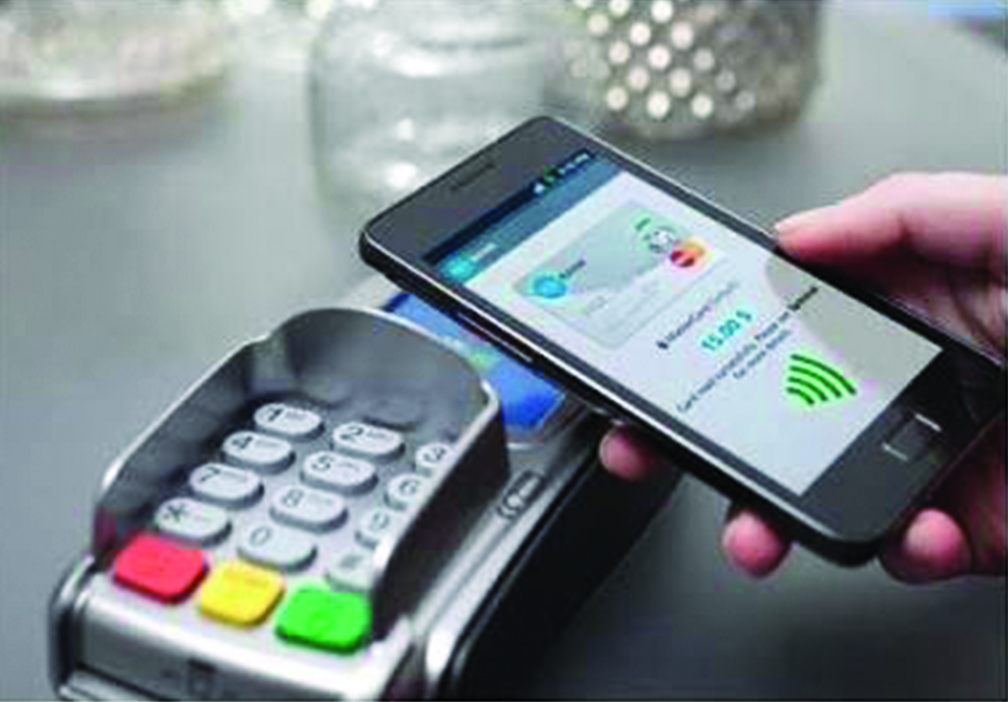
With the surge of ‘tap-to-pay’ or contactless payments in the Nigerian financial sector, it is crucial for consumers to be vigilant against impulsive spending. According to THISDAYLIVE, this new payment method could potentially fuel impulse purchases, leading to financial strain.
While contactless payments offer convenience, they also eliminate the physical barrier of handing over cash or swiping a card, making it easier to overspend without fully considering the implications.
‘Impulsive buying can have serious consequences, from overspending and accumulating debt to feelings of guilt and regret,’ says Omolabake Fasogbon, a financial advisor based in Lagos.
To combat impulsive spending, Fasogbon advises setting a budget, avoiding shopping when stressed or emotional, and waiting at least 24 hours before making non-essential purchases.
‘By taking a moment to consider our purchases, we can make more informed decisions and avoid the potential pitfalls of impulsive buying,’ she concludes.



Join the conversation
Join the discussion
No discussion yet for this story.
Start a discussion about this