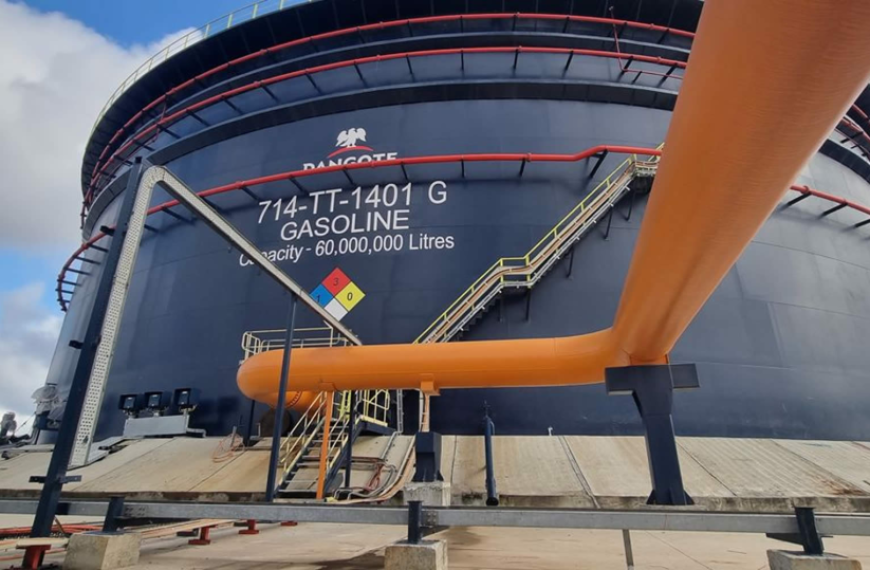
A new report by Businessday NG has shed light on the lingering effects of past fuel subsidies on Nigeria’s current petrol discount sale. According to the analysis, the ghosts of past subsidies continue to haunt the Nigerian economy, casting doubts on the effectiveness of the government’s current policy. The report, published on news.google.com on October 13, 2026, argues that the subsidies, which were phased out in 2024, have left a substantial financial burden on the Nigerian National Petroleum Corporation (NNPC). The NNPC has not said when the facility began operating, but the report suggests that it could be contributing to the ongoing fuel scarcity in parts of the country. The report comes at a time when the Nigerian government is facing mounting pressure to address the fuel crisis, with many citizens expressing frustration over long queues at petrol stations. The government, however, insists that the petrol discount sale is a more sustainable solution to the subsidy regime of the past. According to the Minister of State for Petroleum Resources, Timipre Sylva, the policy aims to ensure a steady supply of petrol and reduce the burden on the government’s budget. However, the Businessday NG report raises questions about the long-term viability of the policy, given the persisting challenges. This story matters to Nigerian readers as it offers insight into the ongoing fuel crisis and the government’s response to it.

 By