
Health Review: October’s Ebola Case, Child Malnutrition, and Medicine Security
From Ebola in the DRC to child malnutrition in Nigeria, October was a month of significant health developments. Here's a review.

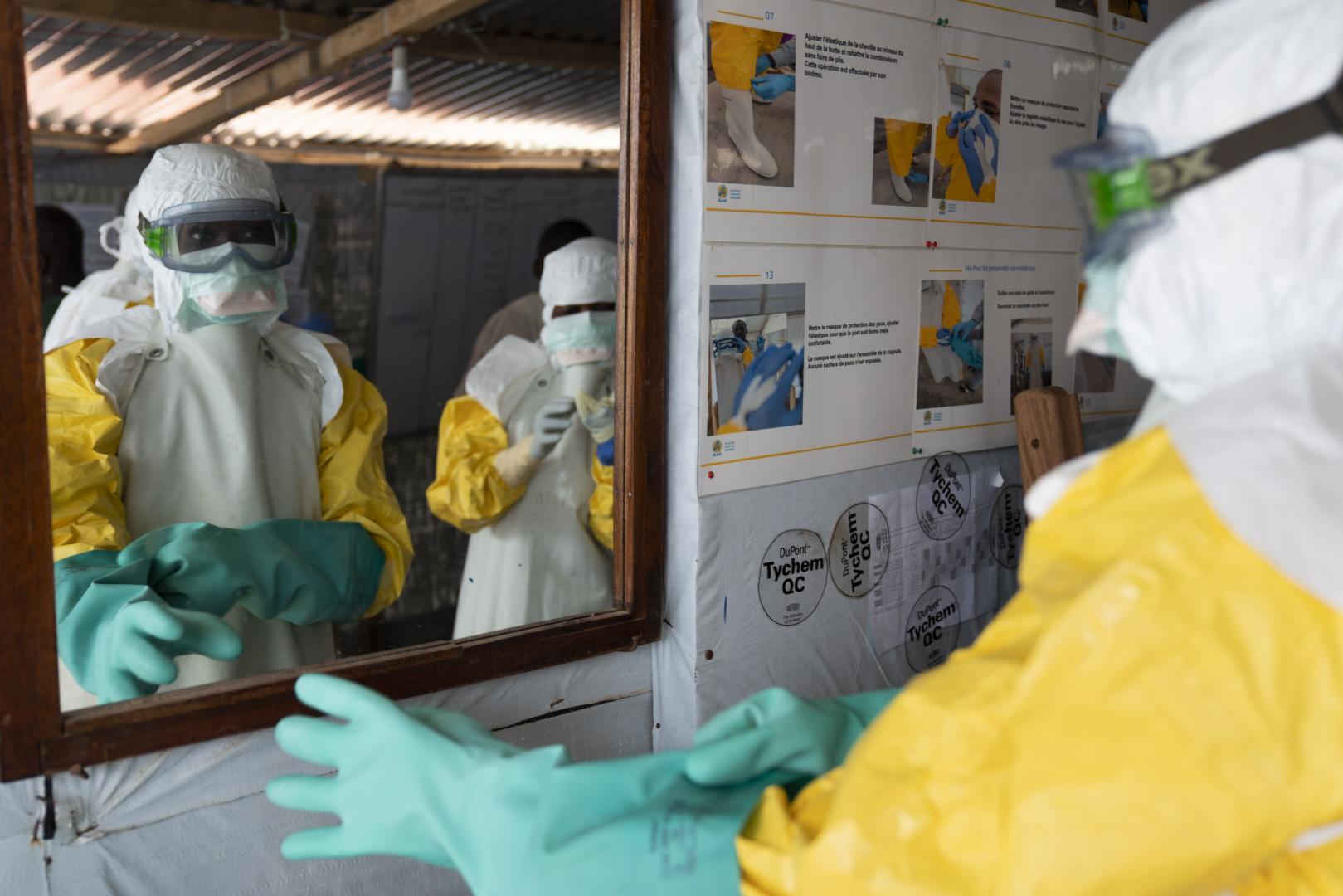
October, a month often associated with autumn leaves and pumpkin spice, also saw a flurry of health-related events that shaped the narrative for Nigeria and beyond. One of the most pressing issues was the continued Ebola outbreak in the Democratic Republic of the Congo (DRC), a development that raised concerns about regional health security.
According to Premium Times Nigeria, the Ebola virus disease (EVD) outbreak, which began in August, has so far claimed over 100 lives and infected hundreds more. The DRC government, with support from the World Health Organization (WHO) and other international organizations, is working to contain the spread of the virus.
In Nigeria, the fight against child malnutrition remained a top priority. The National Nutrition and Health Survey (NNHS), released in October, revealed that about 10% of Nigerian children under five suffer from severe acute malnutrition (SAM).
To address this issue, the government has launched various interventions, including the National Strategic Plan of Action for Nutrition (NSPAN) 2021-2025. The plan, which aims to reduce the prevalence of SAM among children under five by half by 2025, is a significant step towards improving Nigeria’s nutrition landscape.
Another critical health concern in October was medicine security. The lack of access to essential medicines has been a persistent issue in Nigeria, affecting both public and private healthcare facilities. According to a report by the National Agency for Food and Drug Administration and Control (NAFDAC), about 70% of medicines in the country are either substandard or falsified.
To combat this issue, the government has been working on strengthening the pharmaceutical supply chain. This includes the introduction of stricter regulations for medicine importation, as well as the establishment of a national medicine distribution system.
October also saw other developments in the health sector. For instance, the launch of the National Maternal and Child Health Week (NMCHW), an initiative aimed at improving maternal and child health outcomes.
In conclusion, October was a month of significant health developments, highlighting the need for continued focus and investment in Nigeria’s health sector. From addressing regional health security threats to combating child malnutrition and improving medicine security, these issues remain critical to ensuring the well-being of Nigerians.

Join the conversation
Join the discussion
No discussion yet for this story.
Start a discussion about this