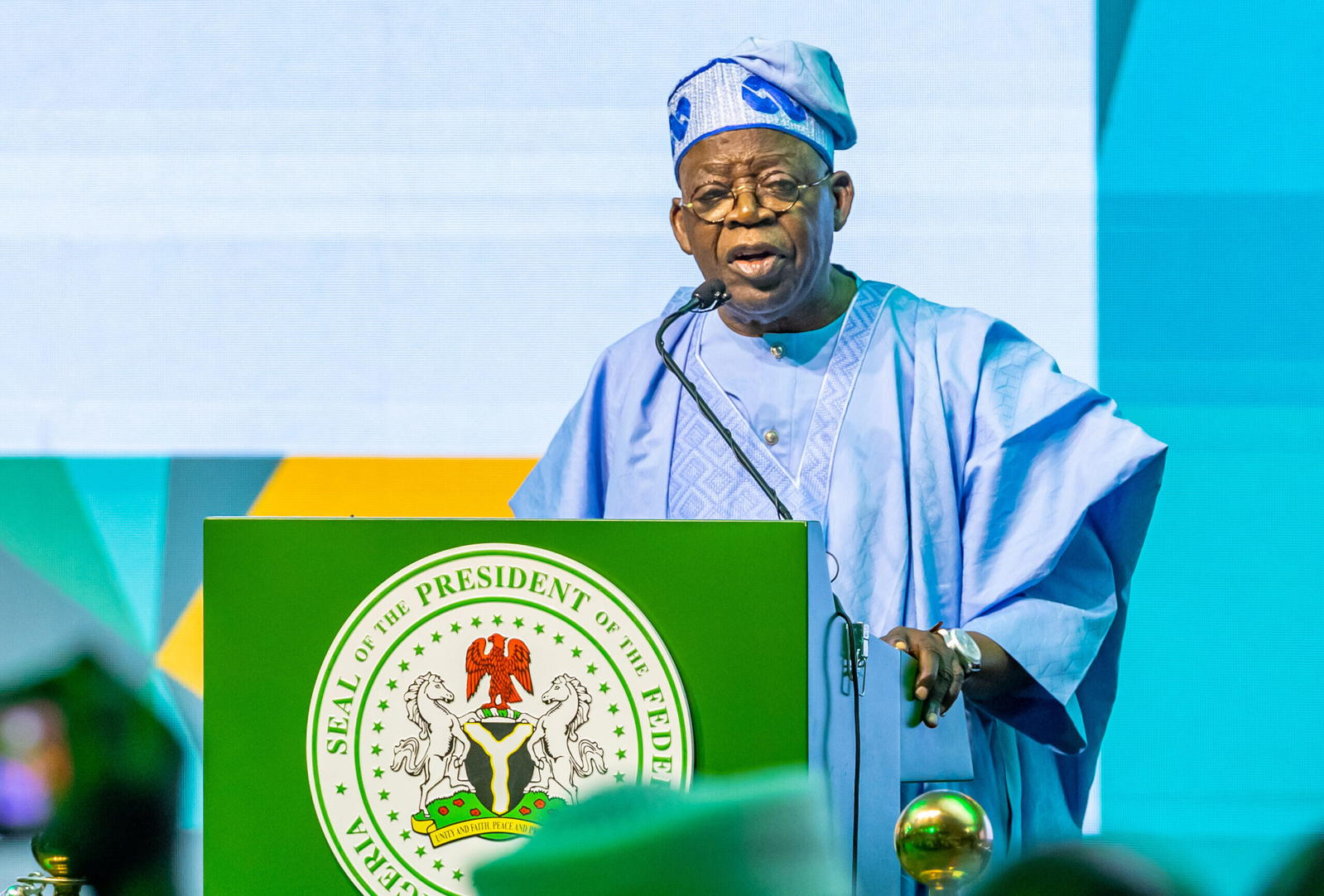
Asiwaju Bola Tinubu, a prominent Nigerian politician, has stated that Nigeria’s approach to borrowing is geared towards infrastructure development, rather than filling fiscal gaps. According to Tinubu, Nigeria’s real gross domestic product (GDP) growth reached 4.43 per cent in the second quarter of 2026, while headline inflation fell to 14.63 per cent in September from 20.98 per cent a year earlier. This suggests that the economy is on the mend, and the focus on borrowing is a strategic move towards infrastructural development. However, it is crucial to note that Tinubu did not specify the sources of these economic indicators, and it remains unclear how the borrowed funds will be allocated.
This statement comes amidst growing concerns about Nigeria’s debt profile, which has been on the rise in recent years. According to the Debt Management Office (DMO), Nigeria’s total public debt stock reached N39.61 trillion as of June 30, 2021. It is essential for the government to provide clarity on its debt management strategies to reassure investors and the general public.
Editorial Notes: The economic indicators mentioned by Tinubu need to be verified from independent sources.

 By