
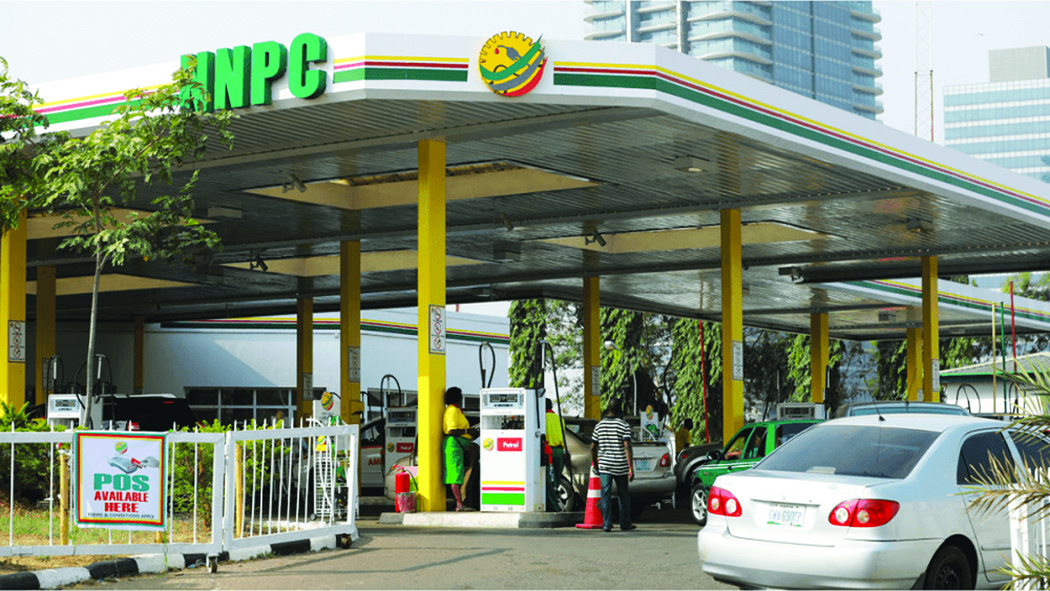
In a bid to ease the financial burden on Nigerian motorists, the Nigerian National Petroleum Corporation (NNPC) has implemented a reduction in petrol prices. However, the rollout of the new prices, which came into effect on Monday, October 17, has been met with complaints from motorists and independent marketers, who allege uneven implementation and a lack of transparency, according to THISDAYLIVE.
Motorists have reported inconsistencies in the prices they pay at filling stations, with some stations charging the lower prices advertised through the NNPC’s mobile app and others not. This app-dependent discount system has caused confusion and frustration among motorists, who are struggling to understand why prices vary significantly between neighboring stations.
Independent marketers, who operate outside of NNPC’s official network, have also expressed their dissatisfaction. They argue that they should be included in the price reduction scheme, as they compete with NNPC-owned stations and play a crucial role in Nigeria’s fuel supply chain.
The NNPC has not said when the facility began operating, but the move to lower fuel prices is part of a broader economic policy aimed at stimulating growth and reducing the cost of living for Nigerians. However, the success of this policy remains uncertain, as questions about fair implementation and transparency linger.
The impact of the fuel price reduction on transport fares and food prices is a concern for many Nigerians. If transport costs decrease, it could lead to lower food prices, as the cost of transporting goods across the country would be reduced. However, if the price reduction is not evenly distributed, the benefits may not be felt by all Nigerians equally.
This story matters to Nigerian readers because affordable fuel prices are essential for reducing the cost of living and promoting economic growth. However, the uneven implementation of the policy raises questions about fairness and transparency, which are crucial for building trust in the government’s economic policies.

 By