
PT Health Watch: Blood Grouping Alone Is Not Enough for Safe Transfusion
Medical experts warn that blood grouping alone does not guarantee safe transfusion. Additional laboratory tests are necessary, according to Premium Times Nigeria.

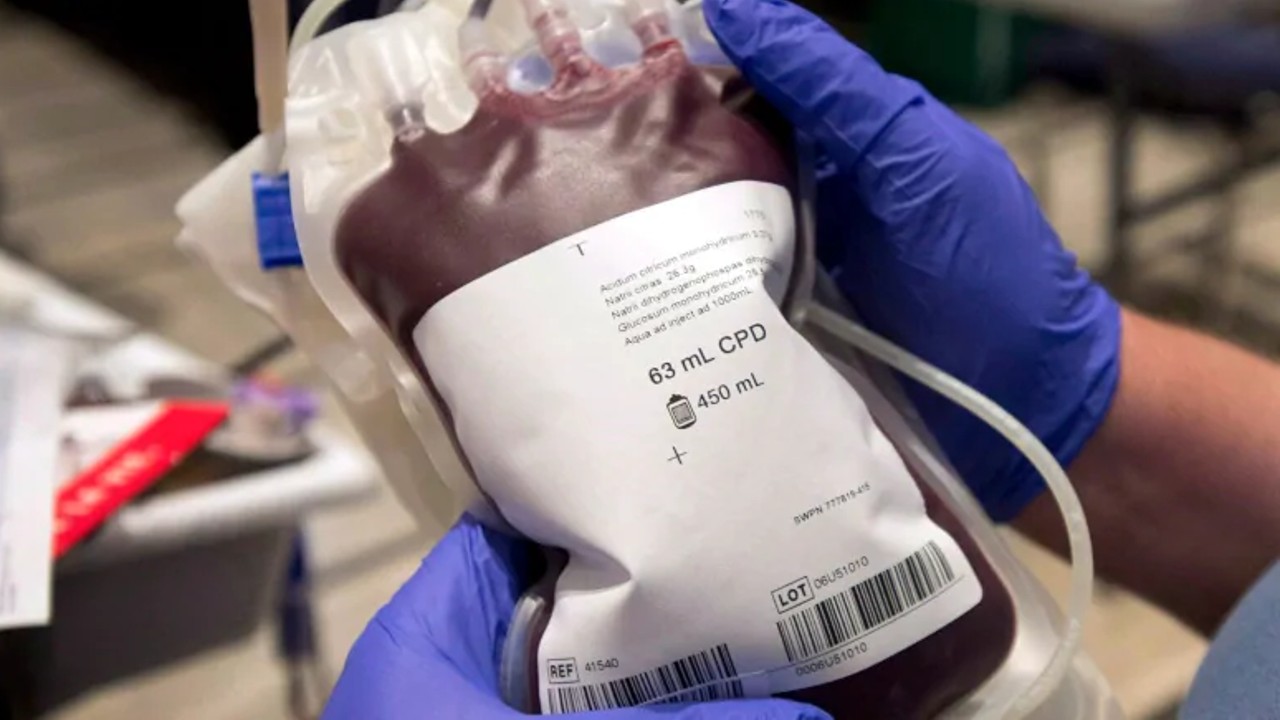
The recent rise in the number of reported transfusion-related complications in Nigeria has sparked concern among medical professionals. In a bid to ensure safety, many focus on blood grouping as the primary means of screening donated blood. However, experts warn that this practice alone is not enough to guarantee a safe transfusion. According to a report by Premium Times Nigeria, medical laboratory scientists have emphasized the need for additional laboratory tests to be conducted on donated blood before it is released for transfusion. These tests include crossmatching and screening for transfusion-transmissible infections.
Crossmatching, a test that checks the compatibility between the donor’s and recipient’s blood, is crucial in preventing transfusion reactions. Screening for transfusion-transmissible infections, such as HIV, Hepatitis B and C, and Syphilis, helps to eliminate the risk of transmitting these diseases through blood transfusions. The experts also advise that the blood donors should be properly screened and questioned about their health status and lifestyle.
The importance of these additional tests cannot be overstated. According to the World Health Organization, every year, 125 million units of blood are collected worldwide, and about 1.7 million people die due to bleeding and lack of access to safe blood transfusions. In Nigeria, the situation is particularly concerning, with limited resources and inadequate infrastructure for blood screening and storage.
The medical community in Nigeria is calling for increased investment in blood transfusion services to ensure the safety and availability of blood for those in need. As the holiday season approaches, it is crucial to remember the importance of donating blood, but also the necessity of thorough testing and screening to ensure a safe transfusion.



Join the conversation
Join the discussion
No discussion yet for this story.
Start a discussion about this