Politics
Temporary Relief at Risk of Becoming Nigeria’s Welfare Policy
A new report highlights the risks of temporary relief becoming a permanent fixture in Nigeria's welfare system.

Nigeria’s Events & Entertainment Hub
A new report highlights the risks of temporary relief becoming a permanent fixture in Nigeria's welfare system.
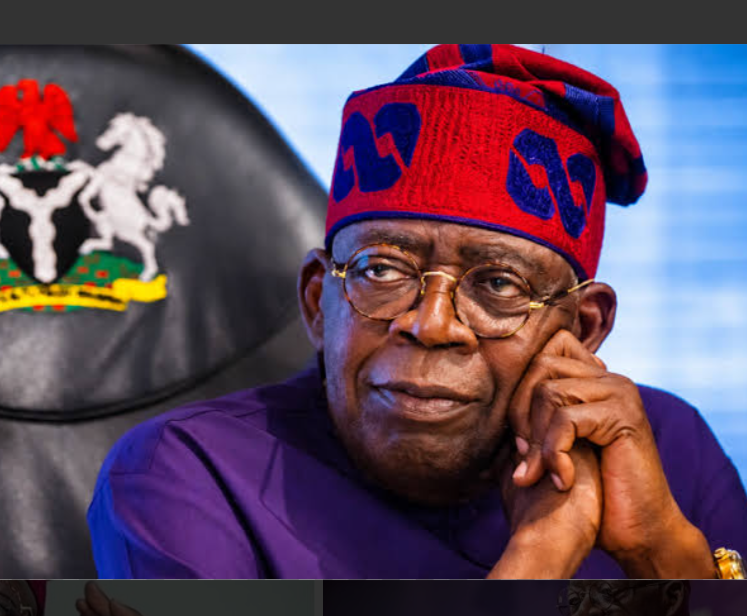
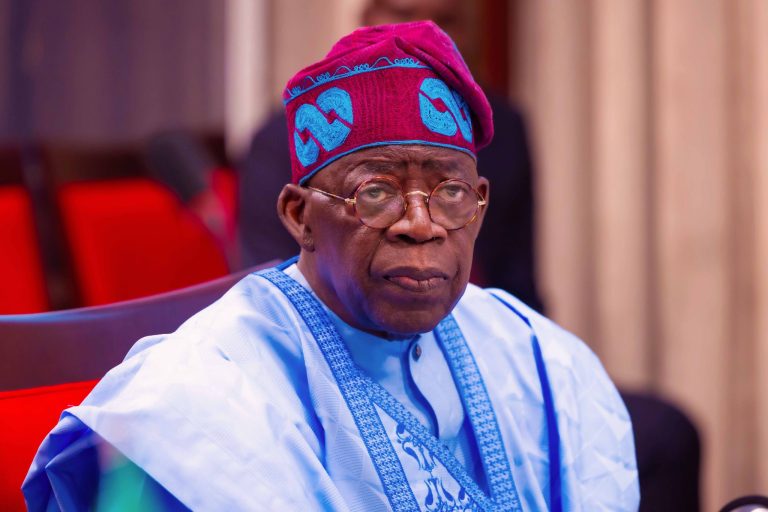
President Bola Tinubu announced that Nigeria's economy has moved beyond stabilisation, targeting a $1 trillion economy by 2030.
The Dutch government has revealed its new investment priorities for Nigeria, focusing on key sectors that could boost economic growth and development.
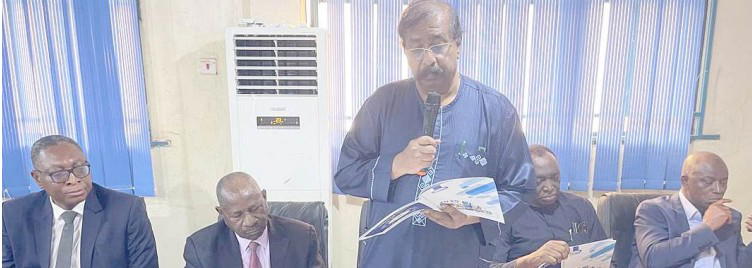
The Association of Senior Civil Servants of Nigeria (ASCSN) has called for an increase in the minimum salary of federal workers to ₦300,000 monthly, citing economic hardship.
In a bid to unlock jobs, industrial growth, and wealth, the Nigerian government is betting on digital technology to drive its economy towards a $1 trillion valuation.
Nigerian Ports Authority (NPA) Chairman Senator Dayo Adeyeye acknowledges economic hardship but credits President Tinubu with preventing collapse and bankruptcy.
Coca-Cola's operations in Nigeria have delivered a significant economic impact, according to a report by THISDAYLIVE.
Rising costs are causing concern for employers in Nigeria, potentially leading to job losses.
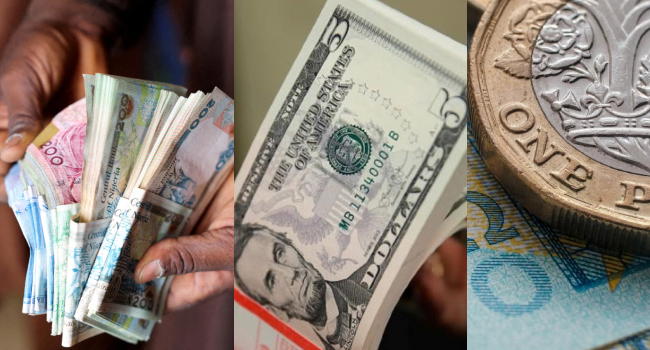
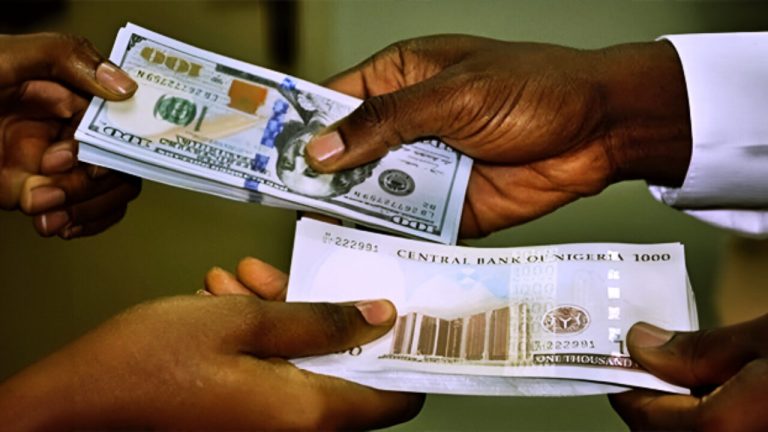
The Naira has continued to depreciate against the dollar, according to multiple reports.
Kashim Shettima, Vice-President, highlights Tinubu's impact on Ondo's economy at the Akure APC-PCC rally.
Senator Cyril Fasuyi, Chairman of the Senate Committee on the South West Development Commission (SWDC), has praised President Bola Tinubu's efforts to rescue Nigeria from economic collapse and…
The Naira has depreciated to its highest level against the USD, according to Daily Post Nigeria.
The Federal Government projects that agriculture could contribute up to $300 billion to President Bola Tinubu's $1 trillion economy ambition.
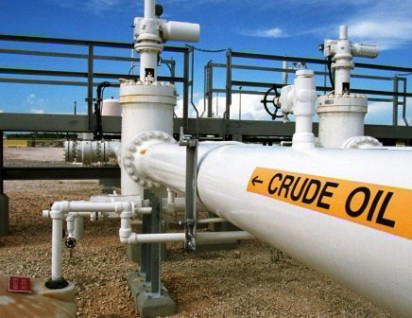
The Nigerian Upstream Petroleum Regulatory Commission (NUPRC) has reported that Nigeria produced an average of 1.687 million barrels of crude oil and condensate per day in October 2026.
According to a report by the World Bank, Nigeria's private sector foreign debt has surged by 179.6% to $54.5bn between 2018 and 2025.