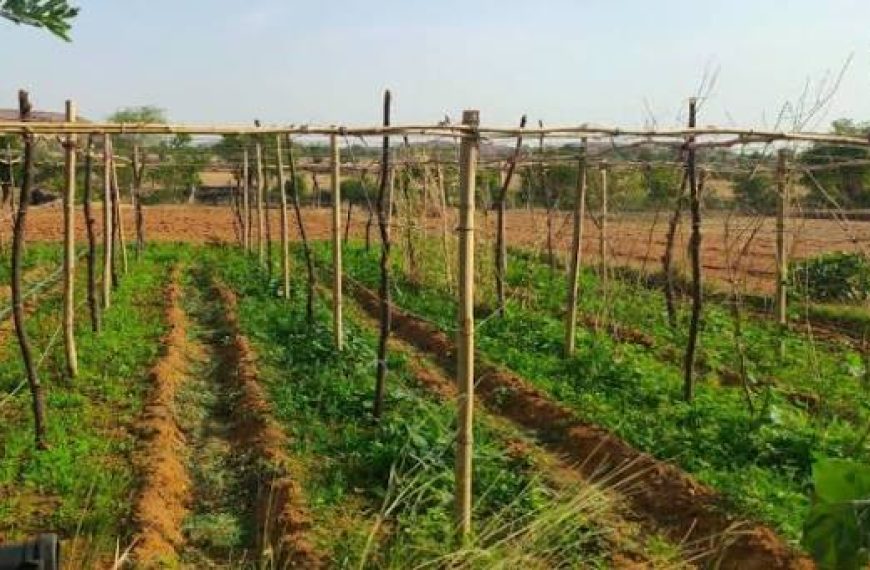
Nigeria, Africa’s most populous nation, is plagued by a startling number of unfinished projects, from roads and bridges to buildings and initiatives. In a thought-provoking opinion piece for Premium Times Nigeria, Dipo Baruwa delves into the root causes of this issue and offers potential solutions.
According to Baruwa, addressing Nigeria’s challenge of abandoned projects demands more than increased funding or renewed political rhetoric. It requires systemic reform anchored in strong authority, effective coordination, well-aligned incentives, and unwavering commitment. By embedding these principles into the country’s development framework, Nigeria stands a better chance of breaking the cycle of unfinished ambitions, both physical and programmatic.
The piece highlights several examples of abandoned projects, including the Abuja-Kano Expressway, which was started in the 1980s but remains unfinished to this day. Baruwa argues that these projects are not only a waste of resources but also a hindrance to the country’s development.
The author also points out that the problem extends beyond physical infrastructure to programmatic initiatives. He cites the example of the National Integrated Infrastructure Masterplan (NIIMP), a plan aimed at addressing Nigeria’s infrastructure needs, which has been abandoned since 2018.
Baruwa’s piece is a call to action for Nigerian policymakers to address the issue of abandoned projects. He suggests that the government should establish a National Project Delivery Authority, similar to the UK’s Major Projects Authority, to oversee and ensure the successful completion of projects. He also calls for stronger accountability and transparency in the project selection and execution process.
This issue matters to Nigerian readers because it affects the country’s economic growth and development. Unfinished projects not only waste resources but also hinder the smooth movement of people and goods, affecting businesses and livelihoods. By addressing this challenge, Nigeria can pave the way for sustainable development and improved quality of life for its citizens.

 By