
Five Key Lessons from Nigeria Health Watch’s 2026 Health Conference
The 2026 Health Conference organised by Nigeria Health Watch offered valuable insights into Nigeria's healthcare system. Here are the five key lessons.

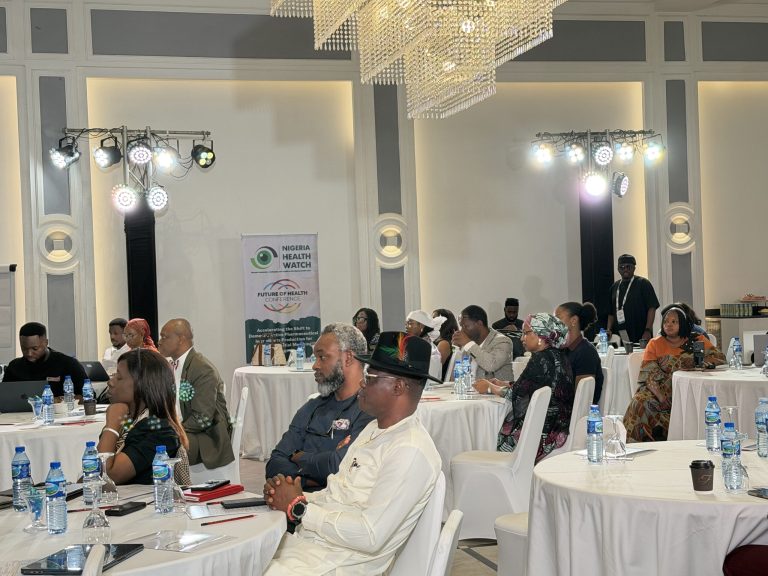
The 2026 Health Conference organised by Nigeria Health Watch, held in Lagos, offered valuable insights into Nigeria’s healthcare system. According to Premium Times Nigeria, the event saw health professionals, policymakers, and stakeholders come together to discuss various healthcare issues affecting the country. Here are the five key lessons that emerged from the conference.
1. Investment in Primary Healthcare is Key: The conference emphasised the importance of investing in primary healthcare to ensure universal health coverage for all Nigerians. It was noted that investing in primary healthcare can help reduce the burden on tertiary hospitals, improve health outcomes, and reduce out-of-pocket expenses for patients.
2. Strengthening Health Information Systems: The conference highlighted the need to strengthen health information systems to improve data collection, analysis, and utilisation for evidence-based decision-making. This would help in identifying gaps in healthcare services, monitoring progress, and evaluating interventions.
3. Addressing Health Workforce Shortages: The conference discussed the need to address the shortage of healthcare workers, particularly in rural areas. It was suggested that this could be achieved through training more healthcare workers, improving their working conditions, and implementing innovative solutions such as telemedicine and task-shifting.
4. The Role of Technology in Healthcare: The conference explored the role of technology in healthcare, with a focus on digital health interventions such as e-health, m-health, and telemedicine. It was noted that these interventions could help improve access to healthcare services, particularly in remote areas.
5. Community Engagement for Health: The conference stressed the importance of community engagement for health, with a focus on community-based healthcare interventions. It was noted that these interventions could help improve health outcomes by empowering communities to take ownership of their health and work towards sustainable solutions.
The lessons from the conference underscore the need for a comprehensive, people-centred approach to healthcare in Nigeria. The government, private sector, and civil society must work together to address the identified challenges and ensure that all Nigerians have access to quality healthcare services.
Join the conversation
Join the discussion
No discussion yet for this story.
Start a discussion about this