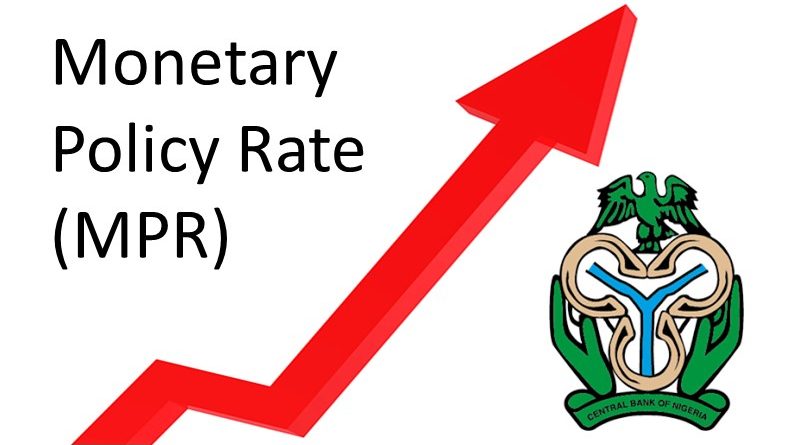
In an unexpected turn of events, the Central Bank of Nigeria (CBN) reduced the Monetary Policy Rate (MPR) to 23% in its latest meeting. However, despite this cut, the average maximum lending rate has risen to 32.62%, according to reports from THISDAYLIVE and other sources.
The CBN’s reduction in the MPR was aimed at stimulating economic growth and reducing the cost of borrowing for both individuals and businesses. However, the increase in the average maximum lending rate raises concerns about the effectiveness of the MPR reduction and its impact on the economy.
According to THISDAYLIVE, the reasons for the rise in lending rates are yet to be fully understood. Some experts suggest that the increase could be due to the prevailing economic conditions, increased demand for loans, and banks’ risk management strategies.
It is unclear how this development will impact the economy in the long run. However, it is evident that the increase in lending rates will make it more expensive for businesses to borrow, potentially slowing down economic growth.
This development comes at a time when the Nigerian economy is struggling to recover from the effects of the COVID-19 pandemic and other economic challenges. The increase in lending rates could exacerbate these challenges and make it more difficult for businesses to recover.
The CBN has not yet commented on the rise in lending rates or whether it plans to take any action to address the issue.

 By