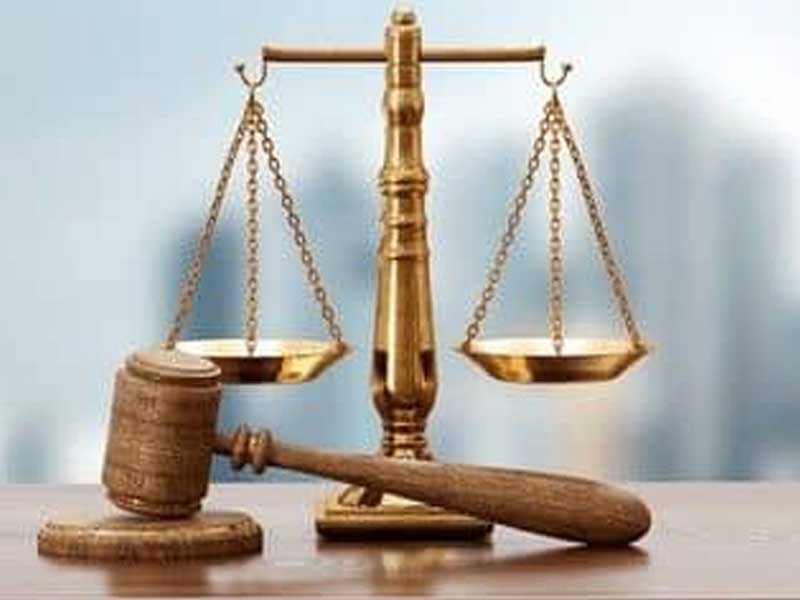
Nigeria’s judiciary, a fundamental pillar of the country’s democracy, has been grappling with a deep-seated corruption problem that is threatening the administration of justice and the preservation of liberty, as noted by James Madison (1751-1836).
According to THISDAYLIVE, the corruption in Nigeria’s judiciary has become a growing concern, with reports of bribery, nepotism, and misuse of power increasingly undermining the judiciary’s credibility.
In a recent article published by THECABLE, the corruption in the judiciary was highlighted as a significant challenge for the rule of law in Nigeria. The article stated that the corrupt practices have led to numerous cases being delayed, compromised judgments, and a general lack of faith in the judiciary among the public.
The impartiality of the judiciary is critical to the smooth functioning of democracy. A judiciary that is perceived as corrupt not only undermines the justice system but also erodes public trust in the government. This, in turn, can lead to social unrest and political instability.
As the 2026 elections approach, the issue of corruption in the judiciary has become even more pressing. The judiciary plays a crucial role in the election process, from adjudicating election-related disputes to enforcing electoral laws. A corrupt judiciary could potentially manipulate the election process, thereby undermining the democratic process.
While the Nigerian government has taken steps to address corruption in the judiciary, such as the establishment of the National Judicial Council (NJC) to oversee the discipline and administration of judges, much more needs to be done to ensure that the judiciary is truly independent and impartial.
According to THISDAYLIVE, some of the measures that could be taken include increasing the salaries of judges to reduce the temptation for bribery, strengthening the NJC’s powers to discipline erring judges, and implementing strict anti-corruption measures within the judiciary.
The corruption in Nigeria’s judiciary is a complex issue that requires a multi-faceted approach to address. It is essential that the government, civil society, and the media work together to tackle this problem and ensure that Nigeria’s judiciary is truly impartial and effective in the administration of justice.
 By