
Seven Common Types of Malaria in Nigeria: What You Need to Know
Discover the seven common types of malaria prevalent in Nigeria and learn how to protect yourself from this deadly disease.

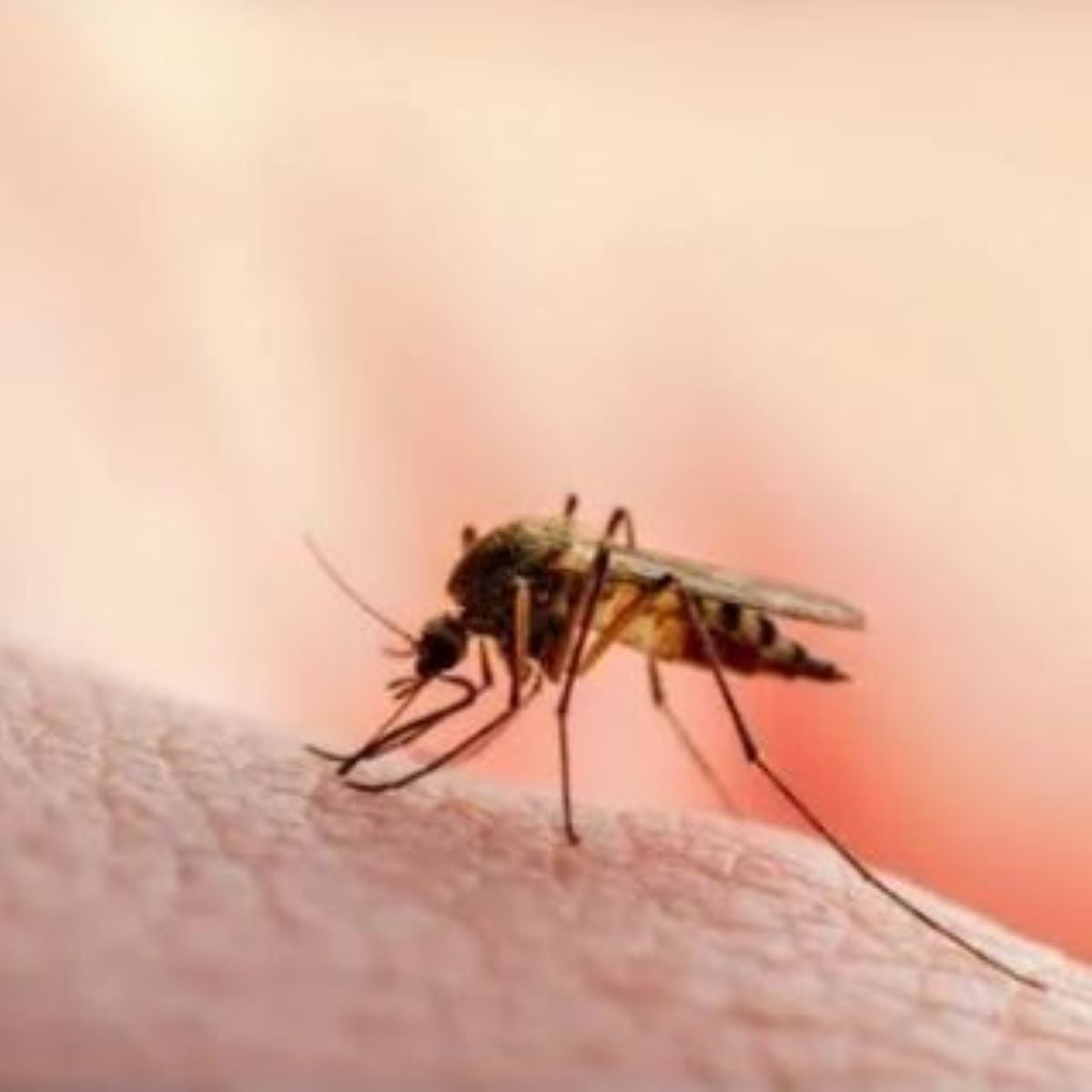
In tropical regions like Nigeria, malaria remains one of the most common infectious diseases, causing numerous health issues and deaths each year. This parasitic disease is primarily transmitted through the bite of an infected female Anopheles mosquito. According to the Tribune Online, there are seven common types of malaria parasites that can infect humans, each with unique characteristics and treatment approaches. It is crucial for Nigerians to understand these types and take preventive measures to protect themselves from this deadly disease.
Plasmodium falciparum is the most common and deadliest type of malaria parasite in Nigeria, causing severe complications such as cerebral malaria and anemia. This parasite is responsible for the majority of malaria-related deaths globally. Plasmodium vivax is another prevalent type, often causing relapses due to its ability to hide in the liver and reactivate. While it typically causes less severe symptoms, it can still lead to complications if left untreated.
Plasmodium ovale and Plasmodium malariae are less common in Nigeria but still pose a threat. They often cause chronic infections that may last for several years, with symptoms such as fever, chills, and headaches. Plasmodium knowlesi is a zoonotic malaria parasite that can infect humans, primarily through the bite of a monkey-feeding mosquito. It is less common in Nigeria but can still be found in some parts of the country.
Lastly, Plasmodium falciparum malaria caused by the chloroquine-resistant strain is a significant concern in Nigeria. This strain is resistant to chloroquine, a traditional malaria treatment, making it harder to treat and control. It is crucial for healthcare providers to be aware of these resistance patterns and use alternative treatments when necessary.
Protecting yourself from malaria involves using insect repellents, wearing long-sleeved clothing, sleeping under insecticide-treated nets, and taking preventive medications when traveling to malaria-endemic areas. Seeking immediate medical attention if you suspect malaria is essential to prevent complications and ensure effective treatment. For more information on malaria prevention and treatment in Nigeria, visit the National Malaria Elimination Programme (NMEP) website.



Join the conversation
Join the discussion
No discussion yet for this story.
Start a discussion about this