
When Banking Power Meets Political Money: Nigeria’s Looming Election Conundrum
As the 2027 presidential election in Nigeria approaches, concerns about the integrity of the country's financial and electoral systems are growing. The intersection of banking power and political money raises critical questions that Nigerians must address.

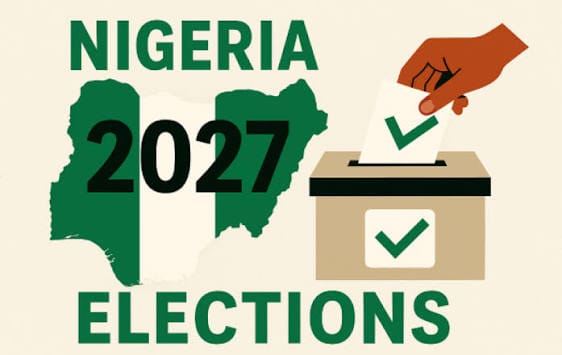
In the lead-up to Nigeria’s 2027 presidential election, public scrutiny is increasingly focused on the nation’s financial and electoral systems. Two key areas of law are under close examination: prohibitions against political funding from corporate entities and restrictions on undeclared assets held by public officials (THISDAYLIVE).
The growing nexus between banking power and political money has sparked concerns about the potential for corruption and undue influence in the upcoming election. This is not an unprecedented issue, as Nigerians have witnessed similar incidents in past elections.
According to THISDAYLIVE, Nigeria’s Central Bank Act prohibits banks from funding any form of political activity or contributing financially to a political party. However, there are loopholes that allow for indirect contributions through third-party entities, such as foundations and non-governmental organizations (NGOs).
Moreover, the Code of Conduct Bureau (CCB) is tasked with ensuring that public officials declare their assets before and after assuming office. Yet, allegations of undeclared wealth and questionable financial transactions persist.
These concerns are not without consequences for Nigeria’s democracy. A lack of transparency in political funding can lead to voter apathy, disillusionment, and a loss of trust in the electoral process. This, in turn, can undermine the legitimacy of the elected government and erode the foundations of democratic governance.
As Nigerians prepare for the 2027 elections, it is crucial to address these questions and demand transparency from political candidates and financial institutions alike. By doing so, we can help ensure a fair and credible electoral process that truly reflects the will of the people.
Join the conversation
Join the discussion
No discussion yet for this story.
Start a discussion about this