Delayed Petroleum Bill Cost Nigeria $235bn in Investments
A recent report by Punch Newspapers suggests that the delayed petroleum bill has cost Nigeria approximately $235bn in potential investments.

Nigeria’s Events & Entertainment Hub
A recent report by Punch Newspapers suggests that the delayed petroleum bill has cost Nigeria approximately $235bn in potential investments.
A new report by Punch Newspapers raises questions about the strategic preparedness of Nigerian businesses in the face of multiple crises.
The Nigerian Sugar Council has called for an investment of $7.1 billion to achieve sugar self-sufficiency in the country, according to multiple reports.
The Guardian Nigeria News reports that Ondo State and PyVee have signed a $362m deal to construct Nigeria's first titanium processing plant.
According to UNCTAD, Nigeria's diesel price has surged by 82.7%, making it the costliest in the world.
Minister of Finance and Coordinating Minister of the Economy, Taiwo Oyedele, has stated that Nigeria cannot meet the crude needs of Dangote refinery.
The implementation of Nigeria's First Policy has significantly reduced the cost of locally assembled vehicles, as reported by the News Agency of Nigeria.
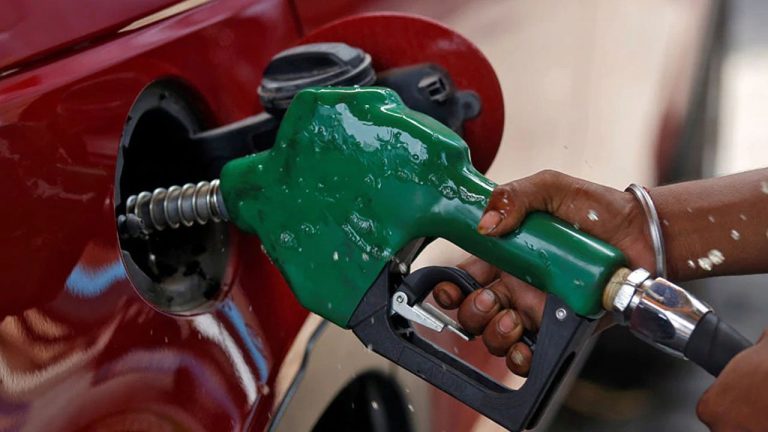
The Federal Government is in negotiations to set a ₦1,350 ceiling on the price of petrol amid rising global oil prices.
The Nigerian government is considering a temporary reduction in petrol prices to help alleviate the cost-of-living crisis, according to Businessday NG.
The Federal Government has announced a 30-day discount on petrol sold by the Nigerian National Petroleum Company Limited (NNPCL).
An Ardova-led consortium is set to drive a new era in Nigeria's CNG market, as reported by Nigeria Business and THISDAYLIVE.
In a bid to boost the nation's blue economy, Nigeria is actively seeking Spanish investment at the CONXEMAR 2026 event.
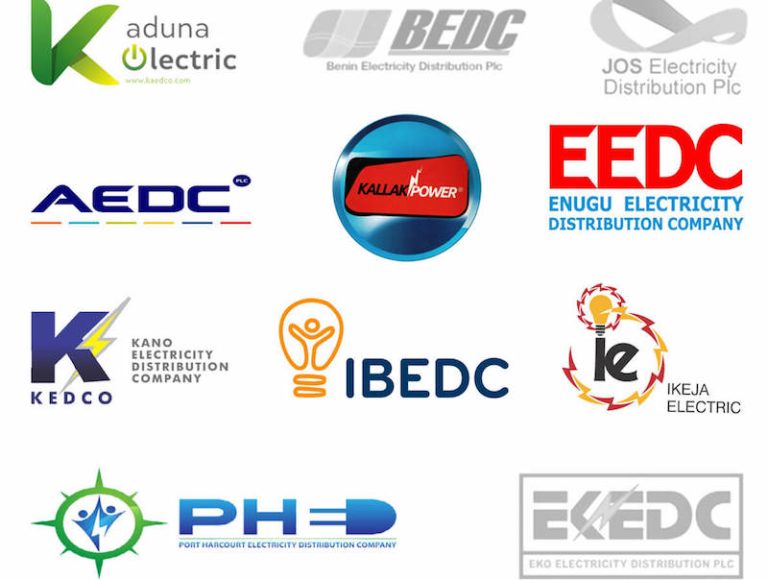
The 11 electricity distribution companies (Discos) generated a total revenue of N603.64 billion in Q2, while the federal government incurred over N321bn subsidy debt.
According to Business News Nigeria, the World Bank has emphasized the importance of investing in women for Nigeria's economic growth.
The Nigerian Ports Authority (NPA) is working to eliminate bottlenecks hindering non-oil exports, with the aim of boosting foreign exchange inflows.