
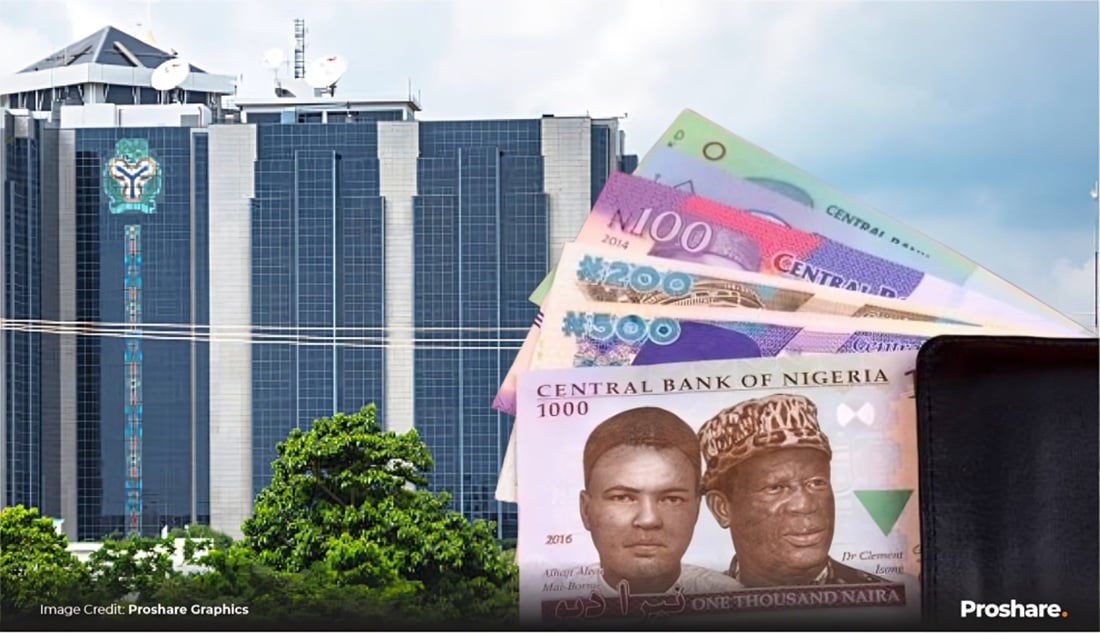
As the Central Bank of Nigeria’s (CBN) Monetary Policy Committee (MPC) gathers for its September meeting, a confluence of factors is creating a rate-cut dilemma. According to Tribune Online, inflation has been on a steady decline, reaching a 16-month low in August, which strengthens the case for reducing interest rates. However, global economic uncertainties, such as the ongoing US-China trade tensions and Brexit, present risks that could sway the MPC towards maintaining current rates or even raising them to bolster Nigeria’s economy.
Economists surveyed by Tribune Online are divided on the issue. Some argue that lower interest rates will stimulate economic growth by reducing borrowing costs for businesses and individuals. Others caution against cutting rates too soon, fearing it could exacerbate inflationary pressures or trigger capital outflows.
The MPC’s decision is significant as it could influence Nigeria’s economy in the short term and set a tone for monetary policy moving forward. While the CBN has not said when the facility began operating, some analysts believe that the current low-interest rate environment may have contributed to the recent surge in foreign portfolio investments.
This story matters to Nigerian readers because it sheds light on the factors influencing the MPC’s decision and its potential impact on the economy. Understanding the MPC’s actions can help investors, businesses, and consumers make informed decisions about their financial plans.

 By
By